October 26, 2026 · 2 min read
What's Actually Happening in Your Body During a Hangover
By Spenser Johnson
Halloween weekend is coming, which means a lot of Chicago is about to relearn the same lesson: "I'll just drink water before bed" only gets you partway to feeling human the next day. Here's why.
It's Not Just Dehydration — Though That's Part of It
Alcohol is a diuretic: it blocks a hormone your body normally uses to hold onto fluid, which is why you're up every hour and why you wake up dehydrated even if you drank plenty of water along the way. But dehydration is only one piece of what's actually happening.
The Other Three Things Going On
Your liver is processing a toxic byproduct. When your body breaks down alcohol, one of the intermediate compounds it produces is more toxic than the alcohol itself, and clearing it out takes time your liver doesn't get to skip.
Your body is running an inflammatory response. Alcohol triggers inflammation, and that inflammatory response is a real contributor to the headache, body aches, and general "hit by a truck" feeling — not just tiredness.
Your blood sugar took a hit. Alcohol interferes with your body's ability to regulate blood sugar, which is a big part of why hangovers come with shakiness, fatigue, and difficulty concentrating — symptoms that overlap a lot with simply being low on fuel.
Why It Hits Hardest the Next Morning
Most of this damage doesn't peak while you're still drinking — it peaks after your blood alcohol level has actually dropped, once your body is deep into processing everything alcohol disrupted along the way. That's why the worst of it often shows up well after you'd expect, sometimes hours after you've gone to sleep.
Why "Just Drink Water" Isn't Enough
Water addresses the dehydration piece, which matters, but it doesn't touch the inflammation, the blood sugar swing, or the toxic-byproduct processing your liver is still working through. That's the honest answer to why plenty of people wake up having "hydrated" and still feel awful — hydration is necessary, it's just not sufficient on its own.
What Actually Helps
- Fluids and electrolytes, not just water — you lost more than plain water through the night
- Food, ideally something with a bit of protein and carbohydrate, to help stabilize blood sugar
- Rest — your liver and immune system are doing real work, and that takes time no matter what you do
- Time. There's no way to fully skip the recovery process; the goal is speeding up the parts you can influence
Where IV Hydration Fits
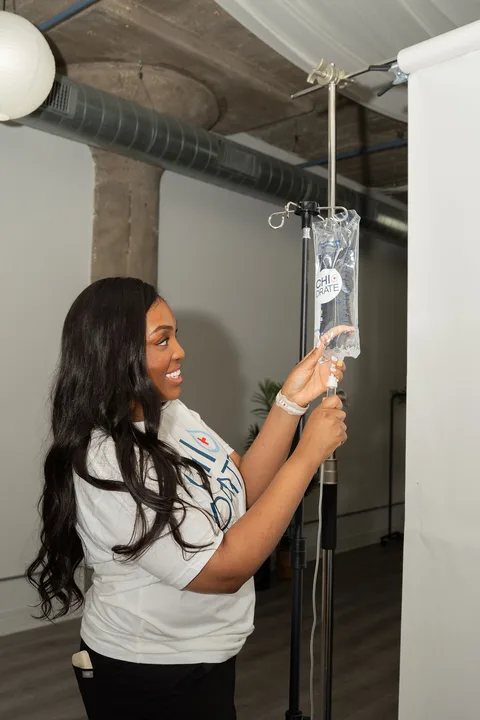
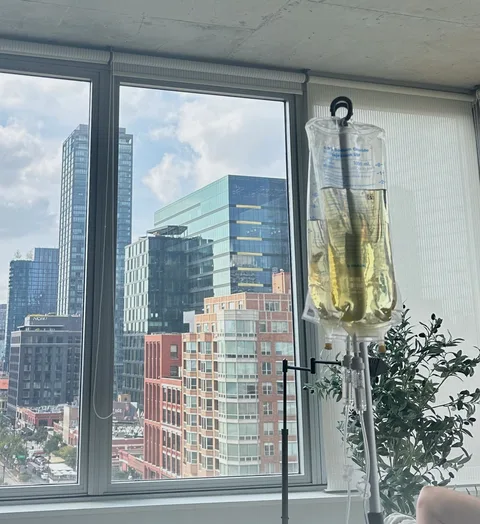
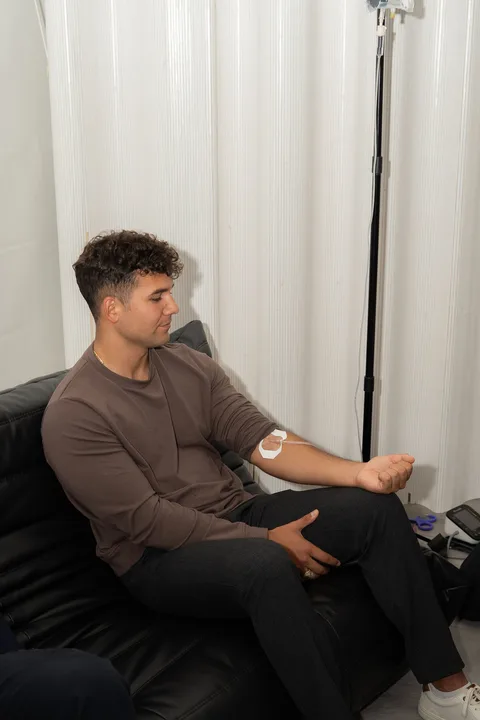
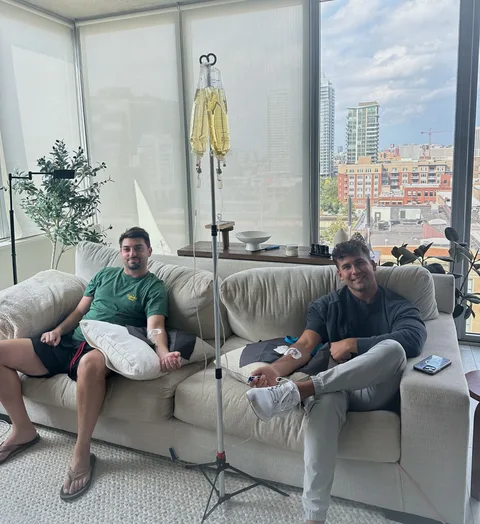
IV hydration directly replaces fluids, electrolytes, and B-vitamins, faster than drinking and eating your way back can manage — which speeds up the dehydration and depleted-nutrient side of a hangover meaningfully. It isn't a magic reset for the inflammation and liver-processing side of things; nothing is. But for the parts hydration actually can fix, it fixes them faster than waiting it out.
Ready to Feel Human Again?
New to this? Mobile IV Therapy Near Me: What Chicagoland Residents Should Know covers how a visit works from booking to finish.
This article is for general educational purposes and isn't medical advice. IV hydration therapy isn't right for everyone — every CHIdrate visit starts with a health screening by a registered nurse. If you're experiencing severe symptoms, seek emergency care.